Essential Health and Safety Training for UK Workplaces
What Employers Must Do for New and Existing Employees
Ensuring the health and safety of employees is a fundamental responsibility for UK employers, as mandated by the Health and Safety at Work etc. Act 1974. This legislation requires employers to provide necessary information, instruction, training, and supervision to ensure, as far as reasonably practicable, the health and safety of their employees.
Training for New Employees
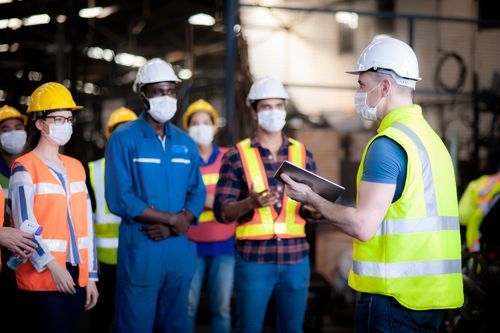
Induction training is crucial for new employees to acquaint them with the company's health and safety policies and procedures. This training typically includes:
- Emergency Procedures: Guidelines on actions to take during emergencies, such as fires or chemical spills.
- Hazard Awareness: Identification of potential workplace hazards and the measures in place to mitigate them.
- Accident Reporting: Procedures for reporting accidents, incidents, or near-misses. The Reporting of Injuries, Diseases and Dangerous Occurrences Regulations 2013 (RIDDOR) outlines the specific requirements for such reporting. en.wikipedia.org+1en.wikipedia.org+1
- Use of Personal Protective Equipment (PPE): Instructions on the correct use and maintenance of PPE relevant to their role.
Training for Existing Employees
Ongoing training ensures that existing employees remain informed about health and safety practices, especially when there are changes in the workplace. This includes:
- Refresher Training: Regular updates to reinforce existing knowledge and address any emerging risks.
- Training on New Equipment or Processes: When new machinery or procedures are introduced, employees must be trained to operate them safely.
- Updates on Legal Requirements: Keeping staff informed about changes in health and safety legislation that may impact their work.
Specialized Training
Certain roles may require specialized training due to specific risks associated with the job. Examples include:
- Manual Handling: Training on safe lifting techniques to prevent musculoskeletal injuries.
- Working at Heights: Safety measures and equipment use for tasks performed at elevated levels.
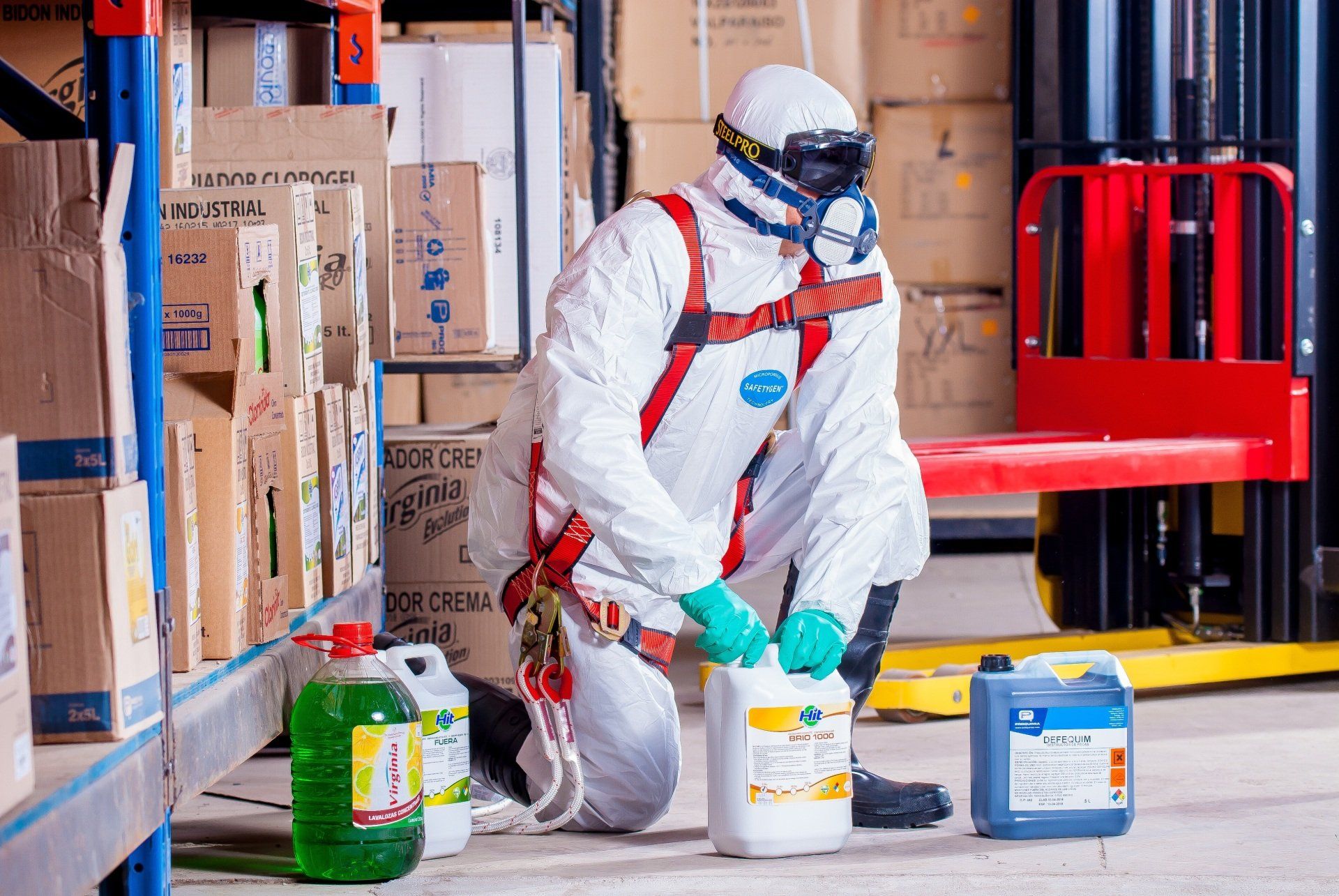
- Control of Substances Hazardous to Health (COSHH): Training on handling, storing, and disposing of hazardous substances safely, as outlined in the Control of Substances Hazardous to Health Regulations 2002.
Legal Requirements and Resources
Employers are legally obligated to conduct risk assessments and implement appropriate measures to control identified risks. The Health and Safety Executive (HSE) provides comprehensive guidance on these responsibilities. Additionally, the Control of Substances Hazardous to Health Regulations 2002 (COSHH) outlines specific requirements for managing hazardous substances.
Conclusion
Comprehensive health and safety training is essential for fostering a safe working environment. By providing appropriate training to both new and existing employees, UK companies can ensure compliance with legal obligations and promote a culture of safety within the workplace.
For training in COSHH, Manual Handling vist https://safetybugtraining.com. For useful toolbox talks and videos visit https://riskassessment.live.